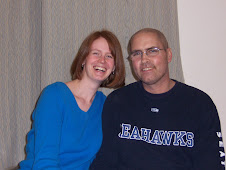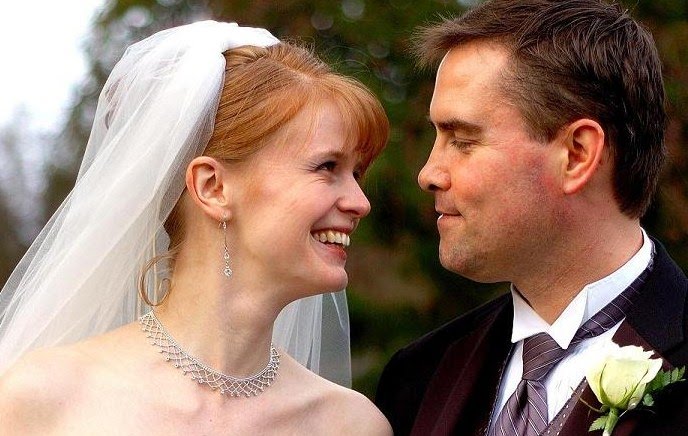
On the anniversary of his birth, I find myself remembering Tyler in so many different ways. While some cause grief, many more cause smiles and laughter. I'm so very thankful to have had the years that I did with him and hope that each of you has happy memories of him today too.
For a slideshow of photos of Tyler, visit http://youtu.be/ggeaw0Mo6yc to see a 15 minute walk down memory lane.
Happy birthday, Tyler!
Thursday, October 31, 2013
Tyler lives on in happy memories


Friday, August 30, 2013
T-Bone Classic

We are approaching the 3rd Annual T-Bone Classic Golf Tournament! Everyone is welcome to join in this golf tournament, commemorating the life of Tyler Bledsoe.
Where: Cedar Crest Golf Course
Date: September 19, 2013
First Tee Time: 11:00am
Cost: $85.00, which includes golf, cart, and dinner
To reserve your spot and get more details, contact Scott Bledsoe at 206-546-2629
Monday, April 29, 2013
The Day After the Marathon
To all of the brave Team in Training members who joined us in the inaugural Nike Women's Half Marathon in Washington, D.C. -- We salute you!
http://youtu.be/m-hCuYjvw2I
Sunday, February 24, 2013
Love Lives On
A few weeks ago at our Team in Training practice, each of the runners was given the opportunity to write the name of the person that they run in memory/honor of. I wrote down Tyler's name because my love for him is what inspired me to first start fundraising for the Leukemia and Lymphoma Society.

On the anniversary of our wedding (February 24, 2007), I am proud to be able to say that with your generous support I have raised over $31,000 to fight cancer. Together, we can make a difference in the battle for lives. I can also share that Tyler has helped to inspire several others to raise funds through Light the Night, Team in Training, or the Big Climb, so his life continues to provide inspiration to the people that hear his story.
I was blessed to find a husband who taught me how to love and how to fight for what I believe in. While our time together was far shorter than I would have wished, I would not trade that time for anything. May you be as blessed in your lives.
For more information about my latest efforts with Team in Training, or to make a donation to fight cancer, please visit my fundraising site at http://bledsoebattle.com. My battle isn't over until I see that leukemia isn't affecting the lives of the people around me. Thanks for your help!
Tuesday, February 19, 2013
Signs and Symptoms of Leukemia
One of the dates you never quite forget is the date that you first heard the doctor mention the word cancer. Tyler's cancerversary was February 19th. As I have done before, I wanted to mention a few warning signs of blood cancer. We found that both Hans and Tyler had experienced several of the same symptoms before being diagnosed, but we hadn't known just what they were at that time.
1. Are you tired? Leukemia causes fatigue because the increased production of white blood cells (WBCs) crowds out the red blood cells in your blood volume. Red blood cells carry the oxygen to your cells and having fewer of them can cause noticeable fatigue or breathlessness. Tyler just assumed he was getting old (at 40 after an incredibly active life). Check with your doctor before making the same assumption about any fatigue you might be experiencing. Tyler was working a physical job on the grounds crew at Children's Hospital and playing soccer. I remember him coming home from soccer games in the last few months before diagnosis and shaking and shivering uncontrollably for a long time. It wasn't a reaction to cold, but seemed to be a reaction to the exertion. It was the first symptom I noticed as his fiancé and prompted me to suggest a doctor's visit. Sadly, it took a few more months before that doctors visit happened. Could that time have made a difference in the ultimate war against the disease? I'll never know...
2. Have you lost weight? Are you eating as much as ever, but your clothes are getting baggy and you haven't been able to find a reason? Unexplained weight loss (more than a few pounds) is a common symptom of many illnesses and should prompt a visit to the doctor.
3. Do you (or your child) have a tendency to bleed or bruise easily? This is a common symptom of childhood leukemia. A youngster's skin may be peppered with tiny red dots. While going through treatment, we learned that the little red dots can be a sign of low platelet counts. Platelets are the blood part that help your blood stick together and clot. When your platelet count is low, you are at risk for bleeding too much from minor injuries.
4. Check your pallor. Have your cheeks lost their rosy glow? This may be a symptom of leukemia. An increase in WBCs can crowd out red blood cells, making you appear anemic.
5. Examine your lymph nodes. Feel under your armpits. Do you feel any lumps or bulges? Feel under your throat, where your jaw meets your neck, for lumps or bulges. Swollen lymph nodes are a possible sign of leukemia or other illnesses.
6. Evaluate yourself for unexplained chronic infections that never seem to go away. Even though your body is producing more WBCs, which are the body's infection fighters, the WBCs of a person with leukemia are immature and unable to fight off diseases. The best description I have heard of this was comparing the WBCs to either toddlers (not functional at all in the adult world of fighting infections) or teenagers (only partially functional at fight infections). Tyler was finally diagnosed after going to see the doctor about the "worst cold he'd ever had".
7. Check for an enlarged spleen. Lay down in bed and place the palm of your hand on the left side of your abdomen, below your rib cage. Feel for a lump or mass. This may be a sign of leukemia and put you at risk for internal bleeding if injured. Tyler definitely had this symptom and was unable to play soccer until the spleen returned to normal size. It can also manifest itself as abdominal fullness.
8. Keep track of unusual night sweats or bone pain. These are often signs of your body attempting to fight an internal war against the cancer.
9. Pay attention to your body's messages. Tyler's doctor asked him at diagnosis how long it had been since T had felt 100% normal. When he stopped and thought about it, Tyler said it had been about 1.5 - 2 YEARS. Imagine how an early diagnosis (from regular check ups or even a doctor's visit when started feeling some of the symptoms that weren't normal) might have changed the outcome of our battle.
New treatments are being discovered all of the time and an early diagnosis gives you the strongest chance at joining the ranks of survivor. Please see your doctor regularly for check ups and in response to any of the symptoms listed above.
For my readers that have been through cancer diagnoses themselves or with a loved one, please add your own items to the list by posting comments on this message. Together we can help others start treatment at a time when they can be successful.
Sunday, January 6, 2013
Two Years Gone
Two years ago, my husband took his last breath as his body finally gave out after battling leukemia for 4 years. While his memory and his presence live on for me, I am deeply saddened by the fact that someone so loved is gone forever because of cancer.
I started fundraising for the Leukemia and Lymphoma Society after Tyler was first diagnosed with cancer, but I continue in his memory. It is one of my deepest passions to make a difference in this battle against cancer and stop the loss of our loved ones.
If you share this goal, please help me by donating at http://bledsoebattle.com. Together we can ease the heartache caused by this insidious thing called cancer.
Thursday, November 22, 2012
Gratitude from the Bledsoe Battle
As I reflect on the things I am grateful for, I realized that I
wanted to thank you to each of you for your participation in this year’s Light
the Night walk. Team Firefly was again
the top Friends and Family team for the Seattle walk. This is the 4th year in a row that
we have claimed that honor and I thank each and every one of you for your help
in raising over $22,000 to fight blood cancers.
We were the 2nd place team overall, chasing the
incredibly impressive Seattle Genetics team who raised over $49,000 with 157
team members. As I talked to their team
at the awards ceremony, each of them was incredibly impressed with all that our
team has been able to do without the backing of any corporate sponsor.
Did you know? When LLS
was founded in 1949, a blood cancer diagnosis was almost always fatal. Thanks in part to innovative research funded
by LLS, survival rates have improved dramatically. Today, an estimated 274,930
people are living with or are in remission from leukemia.
FUNDRAISING
CLUBS:
This is
the first year that we have had 6 team members joining the Bright Lights
club. Do you think we can break that
record again next year??
TEAM
FIREFLY BRIGHT LIGHTS (Raised over $1000)
- Christine Watson - $1691.46
- Carrie Numata - $1472.46
- Ken Mock - $1121.46
- Andrea Coughlin - $1079.51
- Becky McLellan - $1053.71
TEAM FIREFLY CHAMPIONS – THE 100 CLUB!
-
Vivian Oehler - $936.71
- Ceci Rozendaal - $806.46
- Celeste McArthur - $521.46
- Bonnie Rydman - $506.46
- Carol Bonenko - $491.46
- Scott Bledsoe - $453.71
- Paul Giering - $426.46
- Thelma Westberg - $371.46
- Mackenzie Martin - $366.46
- Debbie Carroll - $252.46
- Erin Aten - $205.46
- Hans Loland - $203.71
- LeAnn Miller - $201.60
- Zea Carter - $123.71
- Dorothy Gorman - $106.46
- Benjamin Bonenko - $103.90
- Aleksandra Bonenko - $103.71
- David Bonenko - $103.71
- Jacque Bonenko - $103.71
- Laura Mitchell - $103.71
- Steve Mitchell - $103.71
- Jennifer Hugill - $103.71
- Libby Dermenstein - $103.71
- Bethanie Roddy – $103.71
- Amy Donlan - $103.71
- Cynthia Loland - $103.71
- Michele Bleser - $103.71
- Dave Carroll - $101.60
- Lauren Schepman - $100
- Lynn Roediger - $100
Thank you
for all that you have done to help fight cancer. I’m deeply touched by the fact that family
and friends continue to join me each September in my current version of the
Bledsoe Battle – my efforts to fund a cure for blood cancers.
Registration
for next year’s walk begins in February.
I hope that you will consider joining Team Firefly again. Invite your friends and neighbors and
coworkers to join us in fundraising. Let’s
give those corporate teams a run for their (research) money again next year!
Thank you from
the bottom of my heart,
Mandy
Bledsoe
http://bledsoebattle.comTuesday, October 30, 2012
Feeling the Loss
I've been feeling more subdued and more grumpy than normal for the last week or so. I was just blaming it on not getting enough sleep, but today I finally figured out that my emotions are on edge more than usual because Tyler's birthday was Halloween.
Although on most days I am doing really well, I have found that just the thought of his birthday (combined with the necessity of sorting through some of his belongings) have made me miss Tyler more than usual. Today I am feeling the tragedy side of things... I'm just so sad that he was stolen from us so early.
As many of you knew him or came to know him a little bit through the blog, you know that he was a kind and loving man. He inspired so many of us with his integrity or athleticism or kindness or one of his other wonderful qualities. I'm sorry that he isn't with us still.
So... I'll issue a general apology to the people that have to be around me day to day and hope that my grumpiness fades quickly. But I ask that you take one more day with me to acknowledge that cancer steals light and life from people. As we wrap up October, widely acknowledged as breast cancer awareness month, and celebrate Tyler's birthday on the final day of the month, I urge you to make a difference in some way in the fight against cancer. Wouldn't that be an ideal birthday gift to a friend lost to leukemia?
What can you do to help save the person who will be diagnosed with any form of cancer tomorrow? I've chosen fundraising for the Leukemia and Lymphoma Society as my vehicle to continue the fight. If you would like to make a donation in memory of Tyler, you can donate at http://bledsoebattle.com. Thanks to all that have already supported my quest for a cure! With your help, I'm taking the Bledsoe Battle to an entirely new level.
In loving memory of Tyler...
Monday, September 17, 2012
Light the Night
We have only two weeks until this week's Light the Night walk and I'm excited to see friends and family there! Team Firefly is currently in second place in the team fundraising, so we need to have a good push this week to catch up with Seattle Genetics. I'd hate to have another team win the Tyler Bledsoe Memorial Award for the top fundraising team... :)
If you are coming to walk with us, you can register for Team Firefly (please note that a second team with a similar name signed up for the Seattle walk, so you will want to be careful to join the correct team). The top team as of Wednesday 9/26 will be announced at the walk. The top 10 teams at that time will be awarded a tent on the night of the walk and get to skip the check in lines, etc. You can mail your donations in to the LLS office, or drop it off at their upcoming bank nights, or deposit it online at your website.
In the meantime, I have been keeping busy watching our online fundraising auction. If you haven't checked out the wonderful items available for bidding, please visit the auction at http://www.facebook.com/events/266809260097392/ or our auction photo album at http://www.facebook.com/media/set/?set=oa.117076831774654&type=1. I'm shocked to see that a guitar signed by Blake Shelton is only at $100... Isn't a guitar alone worth at least that much? You can also help us out by forwarding these links on to your other friends.
See you on walk night!
Wednesday, August 22, 2012
Light the Night Walk Update - 6 weeks to Go!
Walk Night Details
Seattle Walk -- Saturday, September 29th, 2012
Green Lake Park, Seattle
5:00pm – Remembrance Ceremony
5:30pm – Check-in & Festivities
7:00pm – Walk
Seattle Walk -- Saturday, September 29th, 2012
Green Lake Park, Seattle
5:00pm – Remembrance Ceremony
5:30pm – Check-in & Festivities
7:00pm – Walk
Upcoming Fundraisers
Let me know if you have an upcoming fundraiser and I am happy to share the information with team members. Use this area to know how you can support our team, to spread the word about events, and to get some ideas on what you can do! Contact me if you need more details about any of the events below.
Let me know if you have an upcoming fundraiser and I am happy to share the information with team members. Use this area to know how you can support our team, to spread the word about events, and to get some ideas on what you can do! Contact me if you need more details about any of the events below.
- Tyler Memorial Golf Tournament, Marysville -- August 23rd
- Flea Market, Sequim – September 8th
- Bake Sale, Kent – September 15th
- Facebook Auction, Online
- Everyone is encouraged to participate! Call businesses you frequent to see if
- Facebook Auction, Online
- Everyone is encouraged to participate! Call businesses you frequent to see if
they will make a donation to support LLS – TAX ID number
available…
- Women’s Clothing Swap, Lynnwood – October 20th
- Contact Mandy for more information
- Contact Mandy for more information
Become a
Champion For Cures
Every walker who raises $100 or more will become a Champion For Cures and recognized on the night of the Walk with the following benefits:
- A Light The Night t-shirt
- A Light The Night illuminated balloon
- A wristband for food and refreshments
Fundraising Tips
Here are two quick and simple fundraising ideas to help rake in the donations:
1. Game Night/Poker Night: Suggest a minimum donation to enter and/or a donation to compete in each game.
2. Food/Beverage Sales: Baked goods, donuts, bagels, breakfast burritos, popcorn, hot dogs, pizza, ice cream, smoothies, etc.
Every walker who raises $100 or more will become a Champion For Cures and recognized on the night of the Walk with the following benefits:
- A Light The Night t-shirt
- A Light The Night illuminated balloon
- A wristband for food and refreshments
Fundraising Tips
Here are two quick and simple fundraising ideas to help rake in the donations:
1. Game Night/Poker Night: Suggest a minimum donation to enter and/or a donation to compete in each game.
2. Food/Beverage Sales: Baked goods, donuts, bagels, breakfast burritos, popcorn, hot dogs, pizza, ice cream, smoothies, etc.
Top 5 Fundraising Teams (As of August 16th)
--> We just lost our first place position, so it is a very good week to start your fundraising!
--> We just lost our first place position, so it is a very good week to start your fundraising!
1. Seattle Genetics $5,260 raised
2.
Team Firefly
$4,959
raised
3.
Team Nanchantress
$3,750 raised
4.
Team Seattle Children’s $3,410 raised
5.
Biff’s Beauties
$2,300
raised
Subscribe to:
Posts (Atom)